The Peptide Your Brain Has Been Waiting For – And How to Boost It Without a Prescription
TL;DR (Too Long; Didn't Read)
A landmark April 2026 systematic review in Molecular and Cellular Neuroscience found that GLP-1 receptor agonists reduced Alzheimer's-associated amyloid-beta plaques in 22 of 30 preclinical studies and tau tangles in 19 of 30. GLP-1 is not just an Ozempic ingredient — it is a peptide your own gut produces every day. By eating more fermentable fiber, high-quality protein, and healthy fats, exercising regularly, and using targeted supplements like berberine, you can naturally boost your body's GLP-1 production to support brain health, reduce dementia risk, and extend your cognitive healthspan — no prescription required.
By now, everyone has heard of GLP-1. It is the peptide behind Ozempic, Wegovy, and Mounjaro — the weight-loss drugs that have dominated headlines, TikTok feeds, and dinner table conversations for the past three years. But while the world has been fixated on the scale, a quieter revolution has been unfolding in neuroscience labs around the world.
Researchers have been asking a different question: What does GLP-1 do to the brain? And the answers coming back are nothing short of extraordinary. A major systematic review published in April 2026 suggests that GLP-1 may be one of the most powerful neuroprotective peptides ever studied, with the potential to reduce the toxic protein buildups at the root of Alzheimer's disease.
Here is the part that changes everything: your body already makes GLP-1. It is a naturally occurring peptide hormone produced in your gut every time you eat. And research suggests you can dramatically amplify your body's own production through specific, science-backed lifestyle strategies — no injection required.
What Is GLP-1? Your Body's Own Neuroprotective Peptide
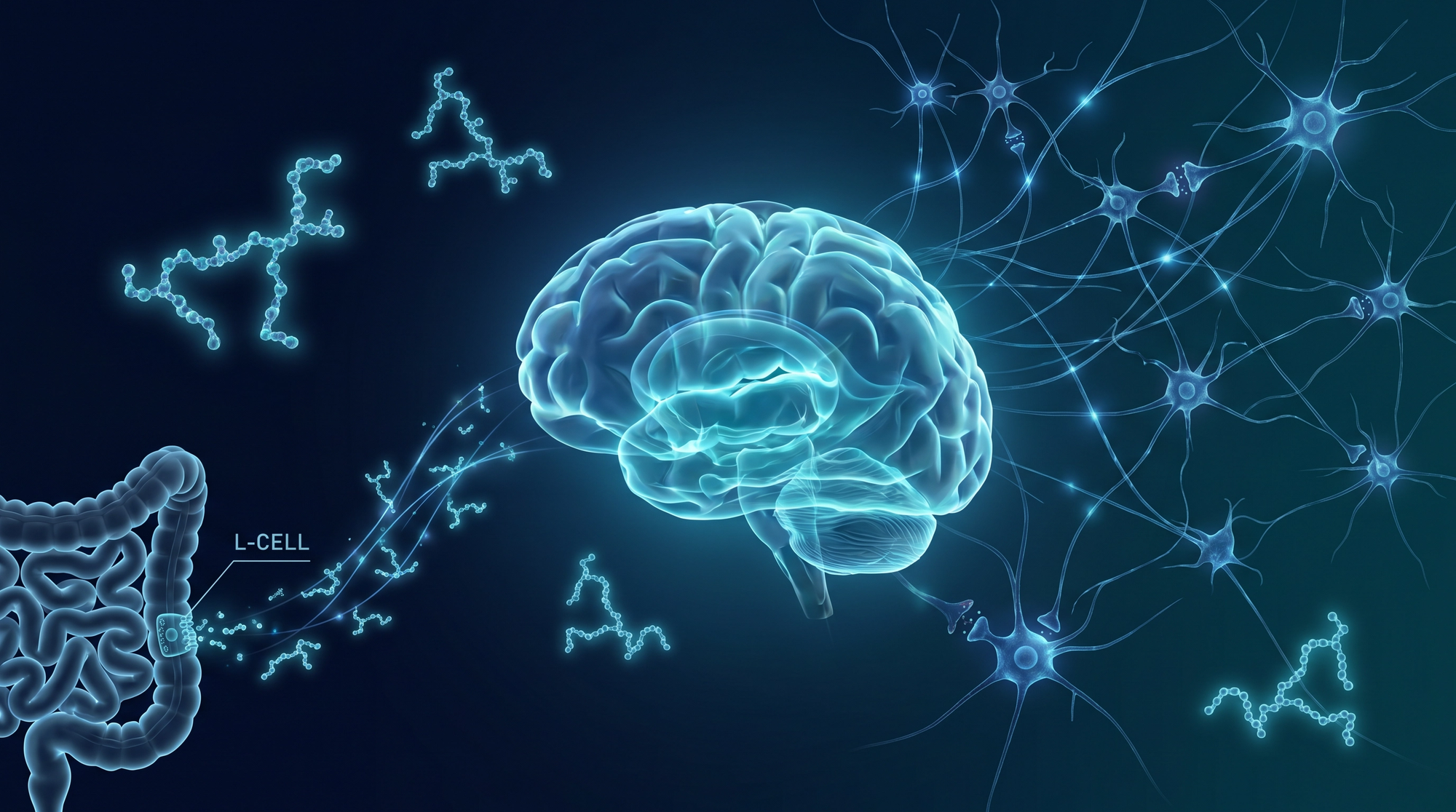
Glucagon-like peptide-1 (GLP-1) is a 30-amino-acid peptide hormone produced primarily in specialized cells called L-cells, found in the lining of the small intestine and colon. When you eat, nutrients stimulate these L-cells to release GLP-1 into your bloodstream within minutes.
In its metabolic role, GLP-1 is a master regulator. It prompts the pancreas to release insulin in a glucose-dependent manner (meaning it only triggers insulin when blood sugar is actually elevated), slows gastric emptying to prevent blood sugar spikes, and signals the hypothalamus in the brain to reduce appetite. This elegant, multi-system coordination is why pharmaceutical companies spent decades engineering synthetic versions of it.
But GLP-1 receptors are not confined to the gut and pancreas. They are expressed throughout the central nervous system — in the hippocampus (the brain's memory center), the cortex, the brainstem, and on up to 70% of cerebral arterioles. This widespread distribution in the brain is what has scientists so excited about GLP-1's potential as a longevity and neuroprotection tool. For a broader look at how peptides interact with the aging brain, see our guide to the ultimate peptide stack for people over 40.
The Bombshell Research: GLP-1 and Alzheimer's Disease
The connection between metabolic health and brain health has been building for years. Researchers have long noted that people with Type 2 diabetes have a significantly elevated risk of developing Alzheimer's disease — so much so that some scientists have proposed calling Alzheimer's "Type 3 Diabetes," reflecting the severe insulin resistance observed in the brains of affected patients. GLP-1's ability to restore insulin sensitivity made it a logical candidate for neuroprotection research.
The April 2026 Systematic Review That Changed the Conversation
In April 2026, researchers at Anglia Ruskin University published a landmark systematic review in Molecular and Cellular Neuroscience, analyzing 30 preclinical studies examining the effects of four GLP-1 receptor agonists — liraglutide, semaglutide, dulaglutide, and exenatide — on the hallmark pathologies of Alzheimer's disease. The results were remarkable.
Of the 30 studies examined, 22 showed a significant reduction in amyloid-beta plaques and 19 showed a reduction in tau tangles. These two proteins are the primary toxic accumulations that damage and kill neurons in Alzheimer's disease. Liraglutide showed the strongest and most consistent results, reducing both amyloid-beta and tau across nearly all studies in which it was tested. Dulaglutide and semaglutide also demonstrated largely positive effects. The study was published in Molecular and Cellular Neuroscience and represents one of the most comprehensive analyses of GLP-1's interaction with Alzheimer's pathology to date.
"Our study highlights several biological pathways by which GLP-1 drugs may influence Alzheimer's, including reducing inflammation, improving insulin signaling in the brain, and altering enzymes involved in the production of amyloid-beta," said physiologist Simon Cork, the study's lead researcher.
Four Mechanisms by Which GLP-1 May Protect the Brain
Research now points to four distinct, well-characterized pathways through which GLP-1 may defend the brain against neurodegeneration:
1. Reducing Amyloid-Beta Production (BACE1 Inhibition): GLP-1 signaling appears to downregulate BACE1, the enzyme responsible for cleaving amyloid precursor protein (APP) into the toxic amyloid-beta fragments that form plaques. By reducing BACE1 activity, GLP-1 may cut the problem off at its source.
2. Reducing Tau Hyperphosphorylation: Tau protein becomes toxic when it is excessively phosphorylated, causing it to detach from neurons and form neurofibrillary tangles. GLP-1 receptor activation has been shown to inhibit the kinases responsible for this process, keeping tau in its healthy, functional form.
3. Restoring Brain Insulin Signaling: The brains of Alzheimer's patients are profoundly insulin-resistant, starving neurons of the glucose they need to survive. GLP-1 re-sensitizes insulin receptors in the brain, restoring the metabolic function that neurons depend on. This is the same mechanism that makes GLP-1 so effective for Type 2 diabetes, applied directly to the central nervous system.
4. Reducing Neuroinflammation and Improving Cerebral Blood Flow: Chronic neuroinflammation — driven by overactivated microglia (the brain's immune cells) — is a major accelerant of cognitive decline. GLP-1 has potent anti-inflammatory effects in the brain. Additionally, because GLP-1 receptors are expressed on cerebral arterioles, GLP-1 signaling promotes vasodilation, improving blood flow and oxygen delivery to the brain's most metabolically demanding regions.
GLP-1 and Dementia Risk: What the Human Data Shows
While the preclinical data is compelling, the human evidence is also building. Large-scale observational analyses of patients taking GLP-1 medications for diabetes have found that these individuals have approximately 33% lower risk of developing Alzheimer's disease and related dementias compared to those on other diabetes medications, even after controlling for weight loss. This suggests GLP-1's brain benefits may be independent of its metabolic effects.
A 2026 retrospective cohort study comparing tirzepatide and semaglutide users found that both drugs were associated with significantly reduced rates of mild cognitive impairment and dementia compared to SGLT2 inhibitors. The medical community is now eagerly awaiting results from the EVOKE and EVOKE+ Phase 3 clinical trials, which are testing semaglutide specifically in patients with early-stage Alzheimer's disease. These trials, sponsored by Novo Nordisk, could represent a pivotal moment for Alzheimer's care — and for the broader understanding of GLP-1 as a neuroprotective agent. The Alzheimer's Association has called these trials among the most important in the field today.
GLP-1 Drugs vs. Natural GLP-1 Strategies: A Comparison
Pharmaceutical GLP-1 receptor agonists are engineered to resist the enzyme DPP-4, which normally breaks down natural GLP-1 within minutes. This means synthetic versions can maintain elevated GLP-1 receptor activation for days or even a week (in the case of weekly semaglutide). Natural GLP-1 produced by your L-cells, by contrast, has a half-life of only 1-2 minutes.
However, for the purposes of long-term brain health and prevention, consistent, repeated stimulation of GLP-1 receptors throughout the day — achieved through diet and lifestyle — may confer meaningful neuroprotective benefits over time. The goal is not to replicate the supraphysiological levels of a drug, but to ensure your brain's GLP-1 receptors are being regularly and optimally activated.
| Feature | Synthetic GLP-1 Drugs (e.g., Ozempic) | Natural GLP-1 Optimization (Diet & Lifestyle) |
|---|---|---|
| Mechanism | Mimics GLP-1; engineered to resist DPP-4 breakdown | Stimulates gut L-cells to produce endogenous GLP-1 |
| Duration of Action | Days to 1 week (supraphysiological) | Minutes to hours (physiological); repeated daily |
| Cost | $900–$1,400+/month (without insurance) | Cost of whole foods + optional supplements (~$30–80/month) |
| Side Effects | Nausea, muscle loss, GI distress, potential thyroid concerns | Minimal; generally well-tolerated |
| Best For | Clinical obesity, Type 2 Diabetes management | Longevity, cognitive prevention, metabolic health maintenance |
| Requires Prescription? | Yes | No |
8 Science-Backed Ways to Boost GLP-1 Naturally
If you want to harness the neuroprotective benefits of GLP-1 without a prescription, you need to focus on the gut-brain axis. Your L-cells respond to specific nutritional and lifestyle signals. Here are the eight most effective, research-backed strategies to maximize your body's endogenous GLP-1 production.
1. Eat More Fermentable Fiber
Fermentable dietary fiber is arguably the most potent natural GLP-1 stimulator available. When you consume fiber from oats, barley, legumes, apples, and root vegetables, your gut microbiome ferments it into short-chain fatty acids (SCFAs) — particularly butyrate, propionate, and acetate. These SCFAs directly bind to free fatty acid receptors (FFAR2 and FFAR3) on your intestinal L-cells, triggering a robust release of GLP-1. Research from Ohio State University confirms that eating protein and fat together with dietary fiber before carbohydrates is the most effective meal sequencing strategy for enhancing GLP-1 secretion. Aim for 25-35 grams of fiber daily.
2. Prioritize High-Quality Protein at Every Meal
Protein is the most satiating macronutrient, and a significant portion of that satiety effect is mediated by GLP-1. When amino acids from digested protein reach the small intestine, they directly stimulate L-cell GLP-1 release. Whey protein, in particular, has been shown in multiple studies to cause a rapid and significant spike in GLP-1 levels. Aim for 25-40 grams of high-quality protein per meal, prioritizing sources like eggs, fish, Greek yogurt, legumes, and whey protein.
3. Embrace Healthy Fats — Especially Olive Oil
Monounsaturated fats, particularly oleic acid from extra virgin olive oil and avocados, are excellent GLP-1 stimulators. When these fats reach the small intestine, they activate GPR119 receptors on L-cells, triggering GLP-1 release. This is one of the key mechanisms by which the Mediterranean diet — rich in olive oil, fish, and legumes — is so consistently associated with reduced dementia risk in epidemiological studies. Drizzle olive oil on your vegetables, use it for cooking, and add avocado to your meals.
4. Try Berberine — "Nature's Ozempic"
Berberine is a bioactive alkaloid extracted from plants like barberry, goldenseal, and Oregon grape. It has gained significant attention as a natural GLP-1 booster because it activates AMPK (adenosine monophosphate-activated protein kinase), the same cellular energy sensor that exercise activates, and has been shown to directly stimulate GLP-1 secretion from intestinal L-cells. Beyond GLP-1, berberine also crosses the blood-brain barrier and exerts direct anti-inflammatory and neuroprotective effects. Typical research doses range from 500-1,500 mg per day, divided with meals. Always consult a healthcare provider before starting any new supplement.
5. Cultivate a Diverse Gut Microbiome
Your gut bacteria are the intermediaries between the fiber you eat and the GLP-1 your L-cells produce. A diverse, healthy microbiome is essential for converting fermentable fiber into the SCFAs that trigger GLP-1 release. Incorporate probiotic-rich fermented foods like kefir, kimchi, sauerkraut, and miso into your diet daily. Prebiotic foods — like garlic, onions, leeks, and Jerusalem artichokes — feed the beneficial bacteria that produce butyrate. For those with dysbiosis, a high-quality synbiotic supplement (combining prebiotics and probiotics) may provide additional support. This gut-brain connection also intersects with immune-modulating peptides like Thymosin Alpha-1, which also support the gut-immune axis.
6. Exercise — Especially After Meals
Physical activity is a powerful and underappreciated GLP-1 booster. Both acute exercise sessions and long-term training have been shown to increase circulating GLP-1 levels. High-intensity interval training (HIIT) and resistance training appear to be the most effective modalities. Even a brisk 10-15 minute walk immediately after a meal has been shown to significantly enhance postprandial GLP-1 secretion, blunting the blood sugar spike and improving nutrient delivery to the brain. The mechanism involves exercise-stimulated IL-6 release from muscles, which in turn stimulates GLP-1 secretion from intestinal L-cells.
7. Drink Green Tea (EGCG)
Epigallocatechin gallate (EGCG), the primary catechin antioxidant in green tea and matcha, has been shown in preclinical studies to stimulate GLP-1 secretion from intestinal L-cells. EGCG also inhibits DPP-4, the enzyme that breaks down natural GLP-1 — meaning it may extend the active life of the GLP-1 your body already produces. Drinking 2-3 cups of high-quality green tea or matcha daily provides a gentle, sustained boost to this peptide while also delivering direct antioxidant and anti-inflammatory benefits to the brain.
8. Protect Your Sleep and Manage Cortisol
Chronic sleep deprivation and elevated cortisol (the primary stress hormone) are among the most potent suppressors of GLP-1 production. Studies show that even a single night of poor sleep can significantly reduce GLP-1 levels the following day, while simultaneously increasing ghrelin (the hunger hormone) and promoting insulin resistance. Prioritizing 7-9 hours of quality sleep, practicing stress-reduction techniques like meditation or breathwork, and managing cortisol through adaptogens are all foundational strategies for maintaining healthy GLP-1 signaling.
The Gut-Brain Axis: Why Your Gut Health Determines Your Brain Health
The emerging science of the gut-brain axis reveals that the communication between your intestinal microbiome and your central nervous system is far more sophisticated than previously understood. The vagus nerve serves as a direct information highway between the gut and the brain, and GLP-1 is one of the primary signaling molecules that travels this route.
When your L-cells release GLP-1, it does not just enter the bloodstream. It also activates vagal afferent neurons in the gut wall, sending immediate satiety and metabolic signals directly to the brainstem. This gut-to-brain GLP-1 signaling pathway may be one of the most important — and most overlooked — levers for cognitive health available to us. A healthy gut microbiome, rich in fiber-fermenting bacteria, keeps this signaling pathway active and well-calibrated throughout the day.
Who Should Pay Attention to Their GLP-1 Levels?
While everyone can benefit from optimizing their natural GLP-1 production, certain groups have the most to gain from a proactive approach:
- Adults over 40 experiencing early signs of metabolic slowdown, brain fog, or reduced energy
- Individuals with a family history of Alzheimer's or dementia who want to take preventive action
- People with insulin resistance or pre-diabetes, where GLP-1 signaling is often already impaired
- Anyone interested in longevity and cognitive healthspan who wants to leverage the latest peptide science
It is worth noting that the FDA's recent reclassification of key peptides signals a broader shift toward recognizing the therapeutic potential of peptide-based interventions. GLP-1 sits at the center of this evolution.
The Bottom Line: GLP-1 Is the Longevity Peptide You Already Have
The discovery that a gut-derived peptide can cross the blood-brain barrier, reduce toxic Alzheimer's proteins, restore brain insulin sensitivity, and improve cerebral blood flow is a paradigm shift in longevity medicine. GLP-1 is not just a weight-loss drug ingredient — it is a fundamental signaling molecule that your body has been using to protect your brain all along.
The pharmaceutical industry has figured out how to amplify this signal with injections. But the science is clear that diet, exercise, gut health, and targeted supplementation can meaningfully optimize your body's own GLP-1 production — and that optimization, sustained over years and decades, may be one of the most powerful investments you can make in your cognitive future.
Frequently Asked Questions
Can natural foods really boost GLP-1 as much as Ozempic or Wegovy?
No — not in terms of absolute magnitude. Pharmaceutical GLP-1 receptor agonists are engineered to resist breakdown, providing supraphysiological activation that lasts days. Natural foods and supplements provide a physiological, shorter-lived boost. However, for the purposes of long-term brain health and prevention, consistent daily stimulation of GLP-1 receptors through diet and lifestyle may confer meaningful neuroprotective benefits over time — without the side effects or cost of medication.
How quickly does GLP-1 get broken down in the body?
Natural GLP-1 produced by your L-cells has a very short half-life of approximately 1-2 minutes, because it is rapidly degraded by the enzyme DPP-4 (dipeptidyl peptidase-4). This is why pharmaceutical GLP-1 drugs are engineered to resist DPP-4 — and why consistent, repeated stimulation through meals and lifestyle is the key to natural optimization.
Does berberine cross the blood-brain barrier?
Yes. Research indicates that berberine can cross the blood-brain barrier. It not only helps stimulate GLP-1 secretion in the gut but also exerts direct anti-inflammatory and neuroprotective effects in the brain, including inhibiting acetylcholinesterase (the enzyme targeted by Alzheimer's drugs) and reducing neuroinflammation.
What are the EVOKE trials and when will results be available?
EVOKE and EVOKE+ are two global Phase 3 clinical trials testing whether semaglutide (the active ingredient in Ozempic/Wegovy) can slow the progression of early-stage Alzheimer's disease. Sponsored by Novo Nordisk, these trials are among the most anticipated in neurology. Results are expected in 2025-2026. If positive, semaglutide could become the first drug originally approved for another condition to be widely repurposed for Alzheimer's treatment.
Is GLP-1 the same as glucagon?
No. Despite the name, GLP-1 (glucagon-like peptide-1) has almost the opposite effect of glucagon. While glucagon raises blood sugar, GLP-1 lowers it by stimulating insulin release. Both are derived from the same precursor protein (proglucagon), but they are produced in different tissues and have distinct, often opposing, metabolic effects.
Sources & Further Reading
- Corcoran E, et al. (2026). The effects of GLP-1 receptor agonists on Alzheimer's pathophysiology: A systematic review. Molecular and Cellular Neuroscience.
- Nield D. (April 29, 2026). Weight-Loss Drugs May Reduce Buildup of Alzheimer's Proteins, Major Review Finds. ScienceAlert.
- Reich N & Hölscher C. (2022). The neuroprotective effects of glucagon-like peptide 1 in Alzheimer's and Parkinson's disease: An in-depth review. Frontiers in Neuroscience.
- Alzheimer's Association. (October 2025). GLP-1s and Alzheimer's: What You Need to Know.
- Ohio State University Health. (2025). How to activate GLP-1 naturally.
- LaFountain R. (2026). Blood Flow to Brain Function: How GLP-1 Therapies May Reduce Dementia Risk. Healthspan.
These statements have not been evaluated by the Food and Drug Administration. This product is not intended to diagnose, treat, cure, or prevent any disease. The information provided on this website is for informational purposes only and is not intended as a substitute for advice from your physician or other health care professional.