Are We Entering a New Era for Legal Peptide Compounding?
TL;DR
In a landmark announcement on the Joe Rogan podcast, Robert F. Kennedy Jr. revealed that approximately 14 of the 19 peptides on the FDA's Category 2 "do not compound" list are expected to be moved back to Category 1, making them legal for compounding by US pharmacies within weeks. This move aims to provide patients with safe, high-quality peptides from ethical suppliers, disrupting the risky black market.
The Bombshell Announcement: What RFK Jr. Actually Said
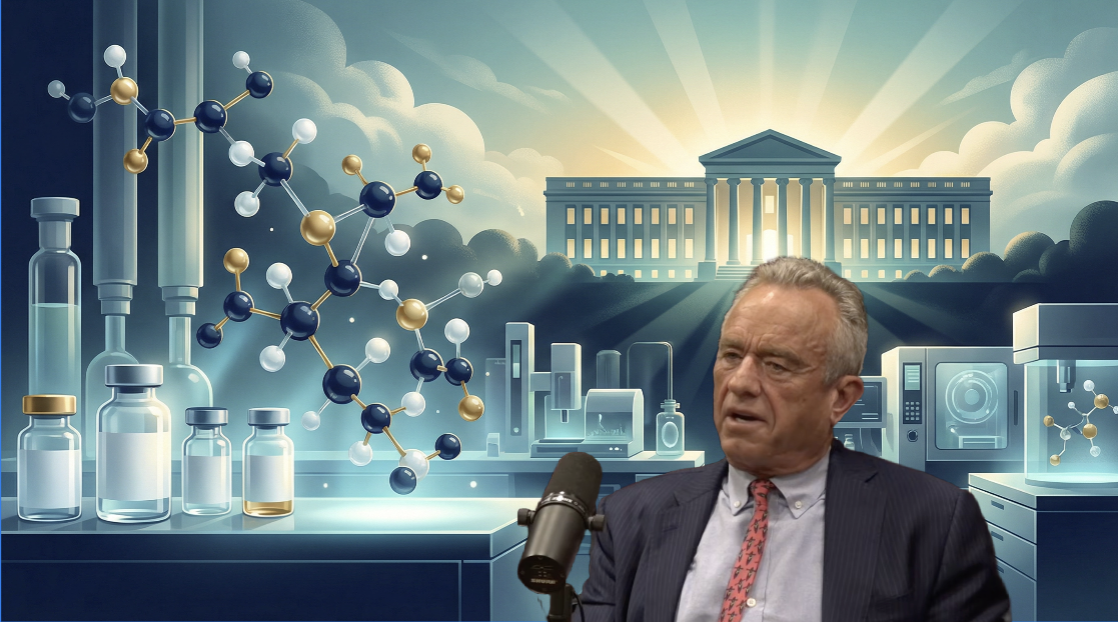
The world of peptide therapy was electrified on February 27, 2026, during an appearance by Robert F. Kennedy Jr. on the Joe Rogan Experience podcast, episode #2461. In a discussion that has since sent ripples through the health and wellness community, Kennedy announced a significant reversal of the FDA's recent crackdown on compounded peptides. [1]
"We are going to, in the next couple of weeks, reverse that," Kennedy stated, referring to the FDA's placement of 19 popular peptides on its Category 2 list, which effectively banned their production by compounding pharmacies. He explained that his team had determined the FDA's action was illegal because it lacked a required "safety signal" to justify the ban.
This statement confirms that a legal and regulatory challenge has been successful, paving the way for approximately 14 of those 19 peptides to be moved back to Category 1. In simple terms, this means licensed compounding pharmacies in the United States will soon be able to legally prepare these peptides for patients with a valid prescription.
The “Category 2” Controversy: How We Got Here
To understand the gravity of this announcement, it’s essential to know what the FDA's Category 2 list is and why it caused such an uproar.
What is the FDA's Category 2 List?
The FDA maintains lists of bulk drug substances that can be used by compounding pharmacies. Category 1 substances are eligible for use, while Category 2 substances are those that the FDA has identified as presenting a "potential significant safety risk." [2] When a peptide is placed on the Category 2 list, compounding pharmacies are prohibited from using it to prepare medications, effectively cutting off legal access for patients.
Why RFK Jr. Called the Ban “Illegal”
According to Kennedy, the FDA overstepped its authority. The agency is legally required to identify a specific "safety signal"—concrete evidence of harm—to justify moving a substance to the Category 2 list. Kennedy’s team argued that for most of the peptides, no such signal existed. Instead, the FDA appeared to be making decisions based on a lack of efficacy data, which is not the correct legal standard for a safety-based restriction. This distinction is critical, as it suggests the ban was not based on new evidence of danger but on a regulatory misinterpretation.
Which Peptides Are Coming Back? A Closer Look
While the final list of the 14 peptides returning to legal compounding is still pending an official announcement, the initial list of 19 gives us a clear idea of which therapies will likely be available again soon. This is a major win for patients who rely on these compounds for everything from injury recovery to cognitive enhancement.
| Peptide | Potential Primary Use Case (Based on Research) | Status |
|---|---|---|
| BPC-157 | Accelerated healing of tissues (muscle, tendon, gut) [5] | Expected to return to Category 1 |
| Thymosin Beta-4 (TB-500) | Wound repair, anti-inflammatory, and tissue regeneration | Expected to return to Category 1 |
| CJC-1295 / Ipamorelin | Supports natural growth hormone release for fat loss and muscle mass | Status uncertain; may be among the 5 remaining on the list |
| Epitalon | Anti-aging research, may support telomere length and sleep | Expected to return to Category 1 |
| GHK-Cu | Skin health, collagen production, and wound healing | Expected to return to Category 1 |
| Selank / Semax | Nootropic effects (anxiety reduction, cognitive enhancement) | Expected to return to Category 1 |
| Thymosin Alpha-1 | Immune system modulation and support [4] | Expected to return to Category 1 |
Note: The final status of each peptide is subject to the official FDA announcement.
The Dangers of the Black Market: Why This Change Matters for Your Safety
One of the most damaging consequences of the FDA's ban was that it inadvertently fueled a dangerous, unregulated black market. With legal access cut off, patients and wellness seekers were pushed toward shadowy "research chemical" websites to find the peptides they needed. This created a public health risk that this new reversal directly addresses.
The risks of purchasing from these unregulated sources are immense. Products are often synthesized in uninspected labs with no quality control, leading to issues like:
- Substandard Purity: Products may contain harmful contaminants or be significantly less potent than advertised.
- Incorrect Dosages: Vials may be improperly dosed, leading to ineffective treatment or unexpected side effects.
- Lack of Accountability: When something goes wrong, there is no recourse or regulatory body to hold these sellers accountable.
The return of these 14 peptides to compounding pharmacies is a monumental victory for consumer safety. It means patients can once again obtain pure, accurately dosed, and sterile peptides from licensed US pharmacies that are subject to strict quality standards and inspections. This shift from the gray market back to legitimate medical channels is perhaps the most important outcome of this regulatory reversal.
What This Means for the Future of Peptide Therapy
This announcement is more than just a regulatory correction; it's a sign that peptide therapy is solidifying its place in mainstream medicine. By ensuring a legal and regulated pathway for access, this change will have several positive long-term effects.
Firstly, it will lead to increased and safer access. Patients will no longer have to navigate the risky online marketplace and can instead work with their healthcare providers to obtain these therapies legally. Secondly, it further legitimizes peptide therapy. As more people gain access through proper medical channels, the stigma and misinformation surrounding peptides will continue to diminish. This aligns with the broader trend of mainstream adoption, as seen with major telehealth companies like Hims & Hers preparing to enter the market, a topic that highlights the changing legal status of peptides.
This development is a key part of the evolving FDA regulatory landscape for peptides, moving from restriction to a more nuanced approach that prioritizes safe access. It will be interesting to see how this impacts other delivery methods as well, such as the growing field of nasal peptides.
Frequently Asked Questions
Are these peptides now “FDA-approved”?
No. It is crucial to understand the distinction. Being moved to Category 1 makes these peptides legal for use by licensed compounding pharmacies to create preparations for specific patients with a prescription. It does not mean they are FDA-approved drugs, which is a much longer and more rigorous process involving extensive clinical trials to prove both safety and efficacy for a specific medical condition.
When will this change take effect?
RFK Jr. suggested on the podcast that the reversal could happen within a few weeks of the February 27, 2026, announcement. However, the official timeline depends on the FDA formally updating its lists. Patients and providers should monitor official FDA communications for the exact date.
Will I need a prescription to get these peptides?
Yes, absolutely. Compounded medications are prepared for individual patients based on a prescription from a licensed healthcare provider. This ensures that the therapy is appropriate for you and that you are guided by a professional on proper use and dosage.
Which 5 peptides might remain on the banned list?
This is currently speculative. However, analysis by industry experts like Derek Pruski suggests the five peptides with the most significant safety concerns or weakest human data are the most likely to remain in Category 2. [3] This could include substances like Melanotan II (due to skin cancer concerns), and potentially some growth hormone secretagogues like GHRP-2, Ipamorelin, and CJC-1295, which have been associated with more complex side effect profiles in some studies.
Conclusion: A New Chapter for Peptide Therapy
Robert F. Kennedy Jr.'s announcement on the Joe Rogan Experience marks a pivotal turning point for the future of peptide therapy in the United States. By successfully challenging the FDA's classification of these 14 peptides, his team has reopened the door for safe, legal, and regulated access. This is a significant victory for patients, practitioners, and the principles of medical freedom and choice.
While the final details are still emerging, this development promises to shift the landscape away from the dangerous black market and toward a more mature, integrated, and patient-centric model of care. The coming weeks will be crucial as we await the official word from the FDA, but the message is clear: the tide is turning in favor of peptides.
References
- Joe Rogan Experience #2461 - Robert F. Kennedy, Jr. (Transcript)
- FDA - Certain Bulk Drug Substances for Use in Compounding that May Present Significant Safety Risks
- Derek Pruski's Substack analysis of the RFK Jr. announcement.
- Thymosin alpha 1: A comprehensive review of the literature - PMC
- USADA on BPC-157
These statements have not been evaluated by the Food and Drug Administration. This product is not intended to diagnose, treat, cure, or prevent any disease. The information provided on this website is for informational purposes only and is not intended as a substitute for advice from your physician or other health care professional.